Light Therapy
How light therapy can help you get to sleep easier.
Sleepy Head
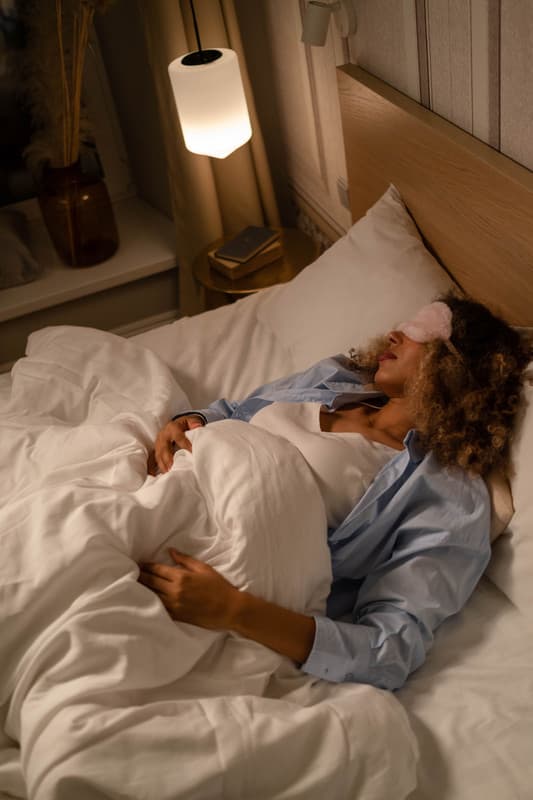
Light Therapy for Better Sleep: Harnessing Light to Reset Your Body Clock
In our modern world of screens, irregular schedules, and artificial lighting, many people struggle with sleep. Light therapy—also known as bright light therapy, phototherapy, or circadian light therapy—offers a non-drug approach that leverages light’s powerful influence on our internal clock. By exposing yourself to specific types and timings of light, you can align your circadian rhythm, improve sleep quality, and feel more rested.
How Light Therapy Works for Sleep
Your body’s sleep-wake cycle is primarily regulated by the suprachiasmatic nucleus (SCN) in the brain, which responds to light signals from the eyes. Bright light, especially in the morning, suppresses melatonin (the sleep hormone) and signals “daytime,” promoting alertness. In the evening, dimmer or warmer lights (like red) help melatonin rise naturally.
Common forms include:
- Bright white or blue-enriched light boxes (typically 2,500–10,000 lux) used in the morning.
- Red/near-infrared light therapy in the evening, which may support relaxation without suppressing melatonin.
Devices range from clinical-grade light boxes to home-use panels, and sessions often last 20–60 minutes depending on intensity.
Key Benefits for Improved Sleep
Research supports light therapy’s effectiveness for various sleep issues:
- Better Sleep Quality and Duration: Meta-analyses show improvements in subjective sleep quality (e.g., lower Pittsburgh Sleep Quality Index and Insomnia Severity Index scores), increased total sleep time (around 17–33 minutes in studies), and reduced wake time after sleep onset.
- Regulates Circadian Rhythms: It helps with delayed sleep phase (trouble falling asleep until late), advanced sleep phase (waking too early), jet lag, and shift work disorders by advancing or delaying your body clock as needed.
- Increased Daytime Alertness and Activity: Morning blue-enriched light, in particular, boosts daytime energy and activity levels, leading to more consolidated nighttime sleep—especially beneficial for older adults.
- Support for Related Conditions: It can ease insomnia symptoms, seasonal affective disorder (SAD), and depression-linked sleep problems. Some evidence suggests red light before bed may enhance melatonin and relaxation.
- Non-Pharmacological Option: Ideal for those seeking alternatives to sleep medications, with good tolerability in many studies.
Shift workers using circadian-informed lighting have reported better post-shift sleep and alertness.
Potential Drawbacks and Reasons to Be Cautious
Light therapy is generally safe, but it’s not risk-free for everyone:
- Common Side Effects: Eyestrain, headache, nausea, irritability, or dry eyes/skin. These are usually mild and resolve with adjustments like shorter sessions or greater distance from the light.
- Timing Matters: Evening bright/blue light can worsen sleep by delaying melatonin and making it harder to fall asleep. Red light is often safer at night.
- Contraindications: Avoid or consult a doctor if you have bipolar disorder (risk of mania), eye conditions, photosensitive skin disorders (e.g., lupus), or take photosensitizing medications. Those with active cancer should be cautious with red light over affected areas.
- Not a Cure-All: Effects are often small to moderate, and consistency is key. It may not help sleep issues unrelated to circadian disruption. Devices vary in quality—look for UV-filtered, FDA-cleared options.
- Red Light Specifics: Evidence is mixed and emerging; some studies show benefits for relaxation, while others find limited or arousing effects.
Always consult a healthcare provider or sleep specialist before starting, especially for personalized timing and intensity.
Who Might Benefit Most?
Light therapy is particularly helpful for:
- People with Insomnia or Circadian Rhythm Disorders: Especially delayed sleep-wake phase disorder or irregular schedules.
- Shift Workers and Frequent Travelers: To adjust to night shifts or recover from jet lag faster.
- Older Adults: Morning light can counteract age-related declines in sleep quality and activity.
- Those with SAD, Depression, or Mood-Related Sleep Issues: Light has antidepressant effects that often improve sleep.
- Anyone Struggling with Morning Grogginess or Evening Alertness: Morning bright light promotes better daytime rhythm.
It’s a low-cost, accessible tool for many, but results vary—pairing it with good sleep hygiene (consistent bedtime, dark room, limited screens) maximizes benefits.
Getting Started
Start with morning sessions (shortly after waking) using a 10,000 lux light box for 20–30 minutes while eating breakfast or working. For evening wind-down, consider dim red lighting. Track your sleep with a diary or wearable for 2–4 weeks to assess progress.
Light therapy isn’t magic, but for many, it’s a simple, science-backed way to reclaim better rest. If sleep troubles persist, combine it with professional advice for the best outcomes. Sweet dreams!