Natural Herbals
Lavendar
SleepyHead
Embrace Natural Slumber: The Benefits of Herbal Remedies for Better, Easier Sleep
In our fast-paced world, quality sleep often feels elusive. Many people turn to over-the-counter or prescription aids, but nature offers gentler, time-tested alternatives. Herbal remedies—particularly in the form of soothing teas and aromatic applications—have been used for centuries to promote relaxation, reduce anxiety, and support deeper, more restorative rest. Herbs like chamomile, lavender, valerian, magnolia, lemon balm, and others can help you unwind without the grogginess often associated with synthetic options.
Why Herbal Remedies Work for Sleep
These herbs often interact with the body’s natural systems. Many boost levels of GABA (gamma-aminobutyric acid), a calming neurotransmitter that quiets the mind, or contain antioxidants like apigenin that bind to brain receptors to ease anxiety and invite drowsiness. They can lower stress hormones, reduce inflammation, and create a sensory ritual that signals bedtime to your body.
Spotlight on Powerful Sleep-Supporting Herbs
Chamomile
This daisy-like flower is one of the most popular herbal sleep aids. It contains apigenin, an antioxidant that promotes sleepiness and reduces anxiety. Chamomile tea is gentle, anti-inflammatory, and ideal for winding down.
Lavender
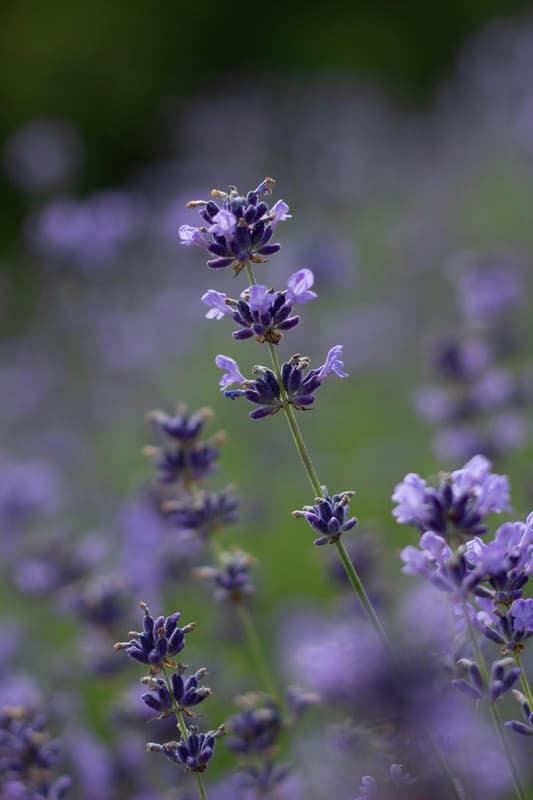
Known for its calming floral scent, lavender reduces anxiety and improves sleep quality. Studies link it to better rest, especially for those with racing thoughts. It works well both as a tea and aromatically.
Valerian Root
A well-studied herb for insomnia, valerian increases GABA levels to promote relaxation. It may help you fall asleep faster and improve overall sleep quality, though its earthy taste is often blended with milder herbs.
Magnolia Bark
Traditional Chinese medicine uses magnolia bark (rich in honokiol and magnolol) for anxiety and sleep. It can reduce the time it takes to fall asleep, increase REM and non-REM sleep stages, and lower stress hormones. It’s a potent option for deeper rest.
Lemon Balm (Melissa officinalis)
This lemon-scented member of the mint family eases tension, lifts mood, and supports better sleep. It pairs beautifully with other herbs and is especially helpful for anxiety-related sleeplessness.
Other Notable Herbs
- Passionflower: Calms the mind and supports deeper sleep.
- Hops: Often combined with valerian for a sedative effect (think of its role in beer).
These can enhance blends for personalized support.
Versatile Ways to Use These Herbal Sleep Aids
1. Herbal Teas (Most Popular Method)
Steep 1–2 teaspoons of dried herb (or a tea bag) in hot (not boiling) water for 5–10 minutes. Drink 30–60 minutes before bed.
- Try single herbs or blends: chamomile + lavender, valerian + lemon balm, or magnolia with passionflower.
- Add a touch of honey or lemon for flavor. Consistent use often yields the best results.
2. Aromatherapy
Lavender shines here. Use a diffuser with a few drops of essential oil 30 minutes before bed, add it to a warm bath, or spritz a linen spray on your pillow. Inhale the steam from herbal tea for dual benefits. Lavender aromatherapy can reduce anxiety and enhance relaxation.
3. Bath Soaks and Topical Applications
Add dried lavender, chamomile, or lemon balm to a muslin bag and steep in bathwater. Diluted essential oils (with a carrier) can be massaged into pulse points or temples.
4. Supplements and Tinctures
Capsules, extracts, or tinctures of valerian, magnolia, or lemon balm offer concentrated support. Follow dosage guidelines and consult a professional, especially if combining herbs.
5. Combinations for Enhanced Effects
Many find synergy in blends—e.g., chamomile + lemon balm for mild evenings, or valerian + magnolia for tougher nights. Experiment safely to find what works for you.
Tips for Success and Safety
- Create a Ritual: Dim lights, sip your tea, and practice deep breathing or light stretching.
- Consistency Matters: Herbs often work best with regular use over days or weeks.
- Quality Counts: Choose organic, reputable sources for herbs and oils.
- Precautions: While generally safe, consult a healthcare provider if pregnant, nursing, on medications (especially sedatives or anxiety drugs), or managing a health condition. Start with low doses. Magnolia and valerian may cause drowsiness, so avoid driving afterward.
Herbal remedies offer a natural, holistic path to better sleep by addressing stress, anxiety, and restlessness at their roots. Whether a warm cup of chamomile-lavender tea, a lavender-scented diffuser, or a magnolia supplement, these gentle aids can transform your nights. Listen to your body, combine with good sleep hygiene (consistent schedule, dark room, no screens), and enjoy the restorative power of plants.
Sweet dreams—nature has your back!
Disclaimer: This post is for informational purposes only and not a substitute for professional medical advice.